
A Teacher’s Perspective - when the system forgets the people holding it together
I have been a teacher for over 20 years. Teaching was never just a job to me, it was a vocation, a commitment and for a long time, a genuine joy. I came into this profession because I wanted to make a difference. I wanted to be the adult that children could rely on, the one who noticed when they were struggling, the one who believed in them when they didn’t believe in themselves.
But somewhere along the way, something changed.
The education system didn’t suddenly break overnight. It has been a slow erosion. More paperwork. More accountability. More expectations. Less time. Less funding. Less trust. And increasingly, less energy left for the thing that matters most-the children.
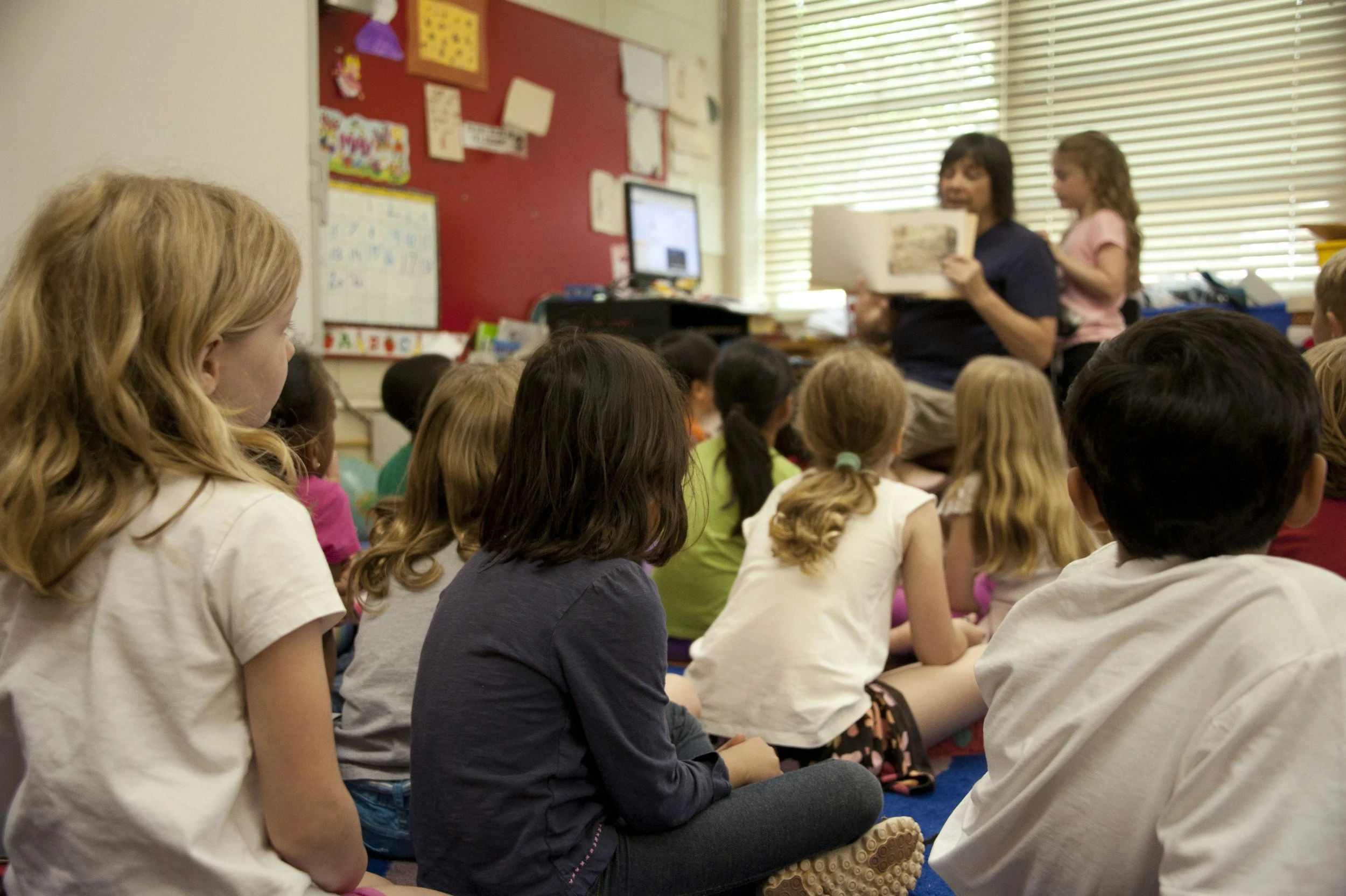
The reality behind the classroom door
People often see teaching as 8:30 to 3:30. The reality is very different.
My day often starts before 7am, answering emails from parents, preparing resources, adjusting lessons for pupils with additional needs. The school day itself is relentless. There is no pause button. Every lesson requires energy, emotional regulation, subject expertise, behaviour management and safeguarding awareness all at once.
Then the day ends for the pupils.
For teachers, the second shift begins.
Marking. Data entry. Intervention planning. Safeguarding logs. Meetings. Training. Reports. More emails. Planning tomorrow’s lessons. Supporting struggling colleagues. Supporting struggling students. Supporting families in crisis.
I often find myself working late into the evening, knowing I still haven’t done enough.
Not because I am disorganised.
Not because I don’t care.
But because the workload is no longer humanly manageable.
The hidden emotional cost
Teaching is emotional labour. That is the part people rarely talk about.
We carry children’s worries. We notice the quiet ones. We manage the angry ones. We comfort the anxious ones. We advocate for the vulnerable ones. We report safeguarding concerns that stay with us long after we go home.
We are expected to be educators, social workers, counsellors, behaviour specialists, data analysts and administrators all at once.
And we do it because we care.
But caring comes at a cost.
I have seen excellent teachers leave not because they stopped loving teaching, but because they could no longer survive the pressure surrounding it. Burnout is no longer rare-it is becoming normalised.
When passion meets reality
I used to spend hours creating exciting lessons simply because I loved seeing that moment when a child suddenly understood something.
Now I sometimes find myself calculating how quickly I can produce something "good enough" because the workload leaves no space for creativity.
That is the part that hurts the most.
Not the long hours.
Not the pay.
Not even the exhaustion.
It is the feeling that the system is slowly squeezing out the very things that make teaching effective-relationships, creativity, patience and joy.

The financial reality teachers rarely talk about
After 20 years in the profession, I am still carefully budgeting at the end of each month. Like many teachers, I am also supporting my own family. Rising living costs do not pause because you chose a public service career.
There is a quiet irony in supporting hundreds of children while worrying about your own household finances.
Teachers are often described as resilient. We are. But resilience should not mean enduring constant pressure without proper support.
What this means for children
When teachers are exhausted, children feel it. Not because teachers stop caring, but because human capacity has limits.
An overworked teacher has less time to:
Give detailed feedback
Build relationships
Spot early warning signs of distress
Create engaging learning experiences
Provide emotional reassurance
This is not about individual teachers failing. It is about a system placing unsustainable demands on the very people expected to hold it together.
When teachers burn out, children lose experience, stability and consistency. Staff turnover affects trust. Recruitment shortages increase class sizes. Support becomes stretched.
The cracks do not just affect teachers.
They affect the children we are trying to protect.
The quiet grief many teachers feel

There is something many long-serving teachers rarely say out loud:
We sometimes grieve what teaching used to feel like.
We miss when there was time to talk to a child properly. When there was time to collaborate with colleagues. When there was space to enjoy the profession rather than simply survive it.
I still love the moments when a student says "I finally understand this."
I still love when a former pupil comes back and says "You helped me more than you realised."
Those moments are what keep many of us going.
But they are becoming islands in a sea of pressure.
Why teachers are still staying
Despite everything, many of us remain.
Not because it is easy.
Not because it is well paid.
Not because it is respected in the way it should be.
We stay because of the children.
We stay because we know stability matters.
We stay because one consistent adult can change a child’s trajectory.
We stay because walking away feels like abandoning something important.
But goodwill is not an infinite resource.
What needs to change
If we want better outcomes for children, we must start by protecting the adults responsible for educating them.
That means:
Realistic workload expectations
Proper funding for support services
Trust in professional judgement
Competitive pay that reflects responsibility
Time to actually teach, not just evidence teaching
Most importantly, it means recognising that teacher wellbeing is not separate from student wellbeing. They are directly connected.
A personal reflection
After 20 years, I am still here. Still showing up. Still trying. Still caring. But I would be lying if I said it feels the same as it once did.
The pressure is heavier.
The expectations are higher.
The time is shorter.
The exhaustion is real.
And yet, tomorrow morning, like thousands of other teachers, I will walk back into my classroom, greet my students with a smile, and try again.
Because that is what teachers do.
But we should not have to do it at the cost of our own wellbeing.
Final thought
If we want a system where children thrive, we must build one where teachers can too. Because when teachers are supported, valued and given the space to do their job properly, the real winners are not the adults.
They are the children sitting in front of us every single day.