
Sister Stories: Holding Hands with the Past.
This is a tribute to the silent strength and resilience of mothers, aunties, and grandmothers, women who endured societal constraints and sacrificed their own aspirations for the betterment of their children. This is powerful and necessary acknowledgment, as many of today’s freedoms are built on the quiet but determined backs of these women.
Although I have drawn a comparison between the oppressed and submissive traditional Asian women, and the independent and assertive modern women, neither of these tells us the full story, as the reality is far more complex as many women exist in the spaces in between, shaped by traditional upbringings, navigating expectations, and finding ways to assert themselves that may not always match a Western idea of empowerment.
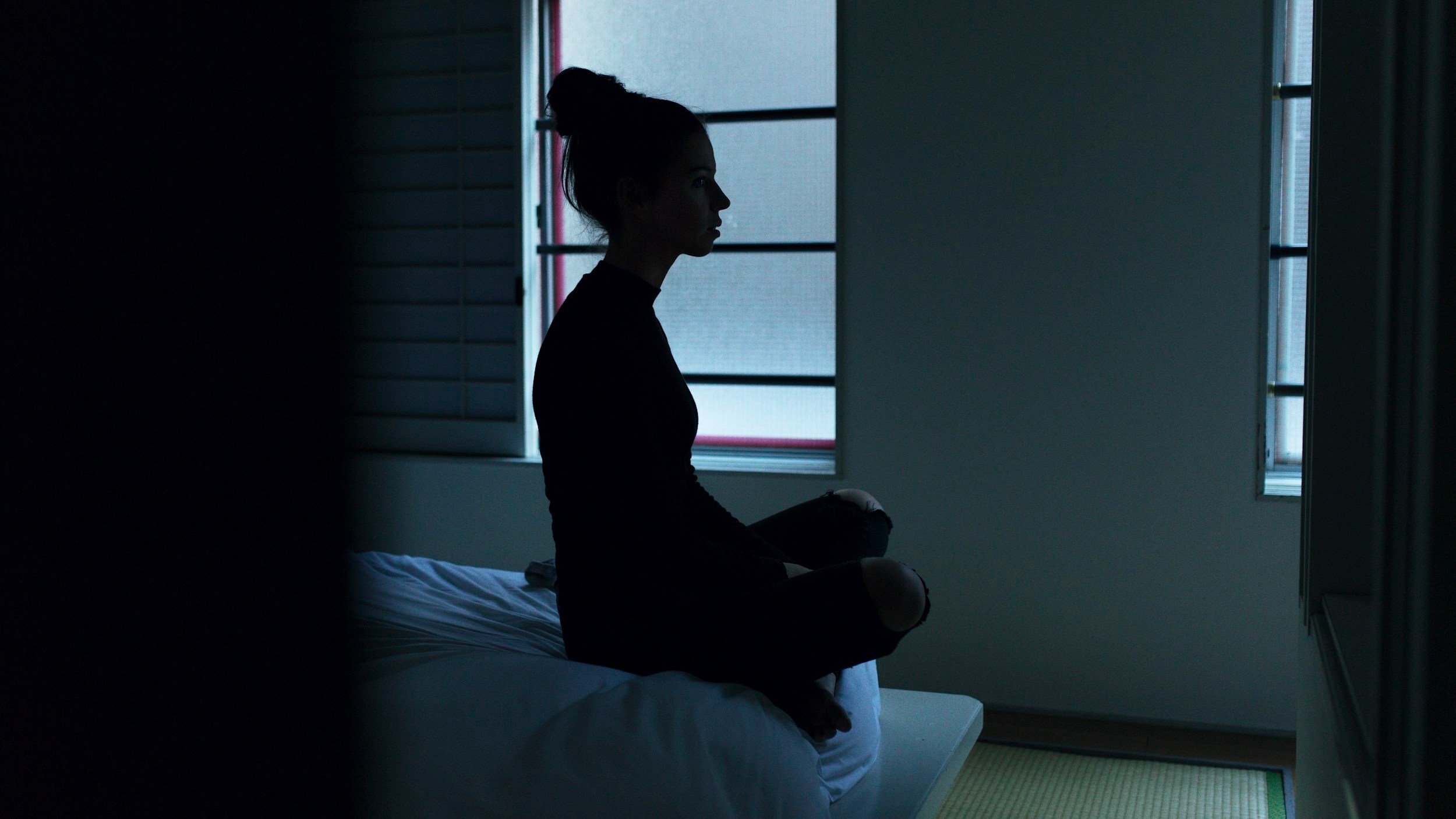
Asian women are often quick to feel offended when others see them or label them as oppressed or submissive. And while these stereotypes don’t define all Asian women, they still exist — and they continue to live among us. These women may not be you, but they could be someone you know.
These are the women who quietly struggled overcame countless hurdles with silent resilience. Through the generations they have endured immense societal constraints and gave up their own aspirations to ensure their children had the opportunities they never did. Opportunities that they could only dream of. They were strong, determined and fierce, women who sadly, in today’s world, women are often made to feel ashamed or inferior if they appear too obedient or accommodating toward demanding husbands or partners. Many choose to stay silent, because when they express feelings of unhappiness or unfulfilment, they are met with blame and judgment, often from those closest to them.
They are told:
· “It’s your fault for putting up with it.”
· “It’s your fault for not being more assertive.”
· “It’s your fault for staying.”
Today’s ‘ideal’ Asian woman is expected to be independent and assertive, and the qualities that were once seen as desirable in a traditional Asian bride, patience, obedience, selflessness, no longer have the same level of importance that they once did. Women raised in traditional Asian households know too well the restrictions placed on them across generations, and many continue to face those same limitations today, particularly after marrying into similarly traditional families. It’s hard for these women to speak out about their experiences. They fear being met with dismissive or hurtful remarks:
· “At least you weren’t beaten.”
· “Others had it worse.”
· “You should be grateful.”
Even when well-intentioned, these comments only make women retreat further into themselves. They are made to feel ungrateful for speaking up about the pain they’ve endured. The way that women are often judged, whether for speaking up, staying silent, staying in a relationship, or leaving, reveals how limited and unforgiving the social narrative can be.
A women being told “it’s your fault” for enduring hardship polarises the lack of compassion that still exists within some families and communities.

Diminishing someone's pain by comparing it to others' “at least you weren’t beaten” discourages vulnerable sharing.
But the truth is, there is no single definition of womanhood. Each of us feels and experiences life differently, and comparing one woman’s journey to another’s makes no sense. We all walk different paths, toward different goals. No matter how much others may try to influence our choices, we ultimately become who we were always meant to be.
I hope this reflection on the experiences of Asian women across generations has highlighted important truths that are often overlooked in conversations about gender roles, cultural expectations, and the evolving image of womanhood, particularly within Asian communities.
In today’s world where women are celebrated for their achievements, ambition, and independence, we must also remember and honour the generations of women who came before us. They paved the way, often in silence, so we could walk freely today. So let us carry our history with pride as we do not need to abandon our culture, traditions, or language in order to embrace new ones. We can move forward without forgetting where we came from, as it is our past that has helped to shape who we are today.
Religions, cultures, and communities can fade away into history if we don’t make a conscious effort to keep them alive. We all have a part to play, so let’s hold hands with our past, so that we preserve our identify for future generations.
The balance of honouring culture and forging your own way is the truest form of strength.