
Easter, Understanding, and the Power of Shared Cultures
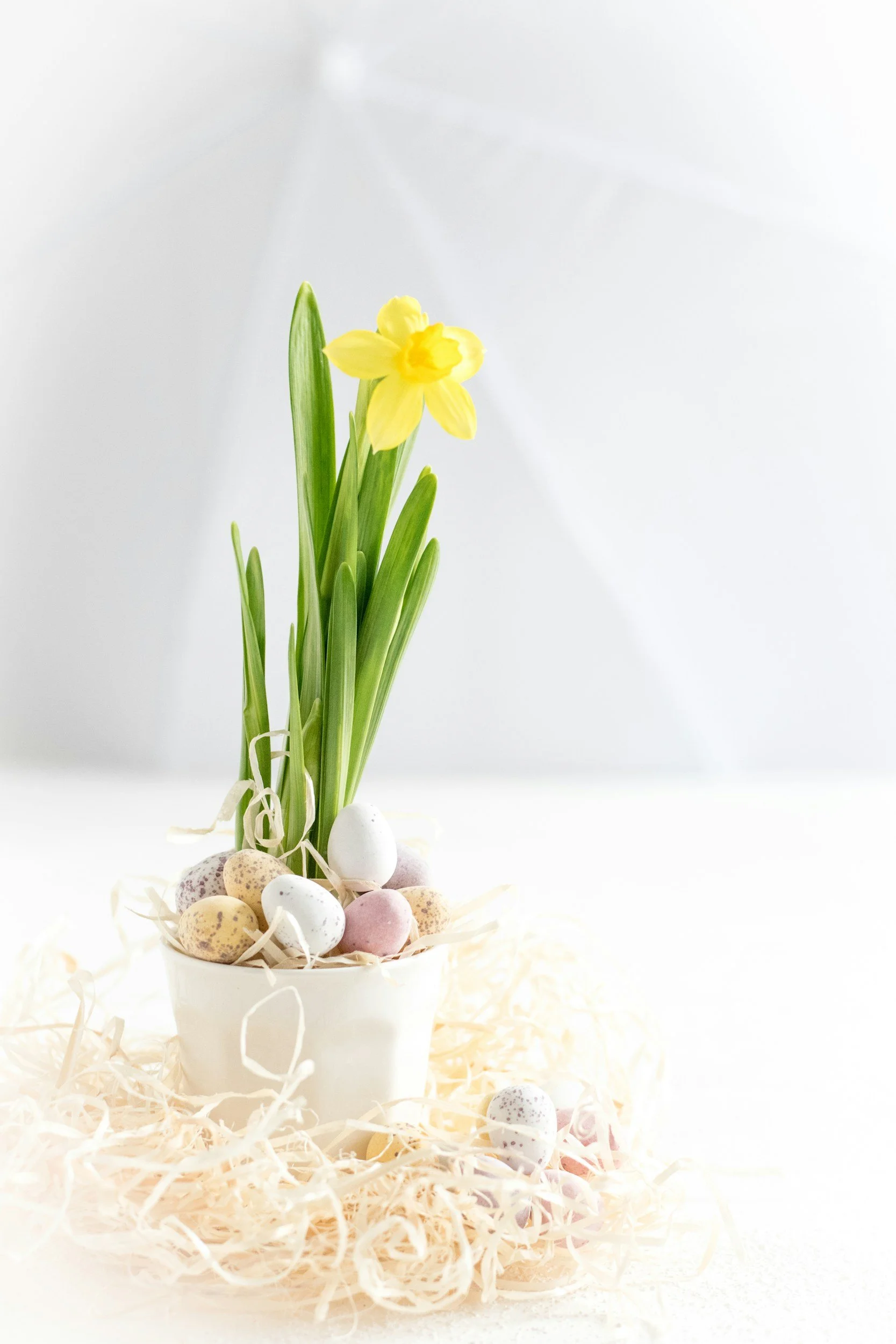
Easter is one of the most important festivals in the Christian calendar. It celebrates the resurrection of Jesus Christ, symbolising hope, renewal, and new beginnings. For many, it is a deeply spiritual time, while for others it is also associated with family gatherings, traditions, and moments of reflection.
But beyond the chocolate eggs and long weekends, Easter carries a powerful message, one of resilience, compassion, and the belief that light can follow even the darkest of times.
How Easter is celebrated
Easter is marked in a variety of ways across the UK and around the world, blending religious traditions with cultural celebrations:
Church services: Many Christians attend services on Good Friday and Easter Sunday to reflect on the story of Jesus’ crucifixion and resurrection.
Easter eggs: Eggs symbolise new life. Today, they are often made of chocolate and exchanged as gifts, especially for children.
Easter egg hunts: A popular family activity where children search for hidden eggs, representing joy, discovery, and renewal.
Family gatherings: Like many cultural festivals, Easter is a time to come together, share meals, and reconnect with loved ones.
Acts of kindness and reflection: For some, Easter is also about giving back, helping others, and taking time for personal reflection.
These traditions may look different from family to family, but the underlying themes of hope, togetherness, and renewal remain consistent.
Why understanding Easter matters
We live in a beautifully diverse society, where people come from different cultural, religious, and personal backgrounds. Taking the time to understand festivals like Easter is not about adopting beliefs, it’s about recognising what matters to others.
When we learn about different traditions:
We become more open-minded
We reduce assumptions and misunderstandings
We create space for meaningful conversations
Understanding leads to empathy. And empathy builds stronger, more connected communities.

A shared thread across cultures
Many cultures and religions have festivals that centre around renewal, community, and gratitude. For example, in Sikhism, Vaisakhi celebrates the formation of the Khalsa and is a time of unity, identity, and reflection.
While Easter and Vaisakhi come from different faiths, they share common values:
Community and togetherness
Reflection and growth
Hope and renewal
These shared threads remind us that, at our core, we are not so different.
Why this matters for AMBER
At AMBER (Asian Mentoring and Building Empowering Relationships), our mission is rooted in connection, inclusion, and understanding. We believe that when women feel seen, heard, and respected — regardless of their background — they are empowered to thrive.
Having knowledge of different cultures allows us to:
Approach one another with kindness rather than judgement
Build bridges instead of barriers
Create a safe and inclusive space for all women
It also helps us raise the next generation with curiosity, respect, and cultural awareness, values that are essential in today’s world.
Leading with empathy
Understanding cultural and religious celebrations like Easter is a simple but powerful step towards building a more compassionate community.
It reminds us to:
Ask questions with curiosity
Listen with openness
Celebrate differences as strengths
At AMBER, we don’t just acknowledge diversity, we embrace it. Because when we understand each other better, we support each other better.
And that is where real empowerment begins.