
Celebrating Chinese New Year: A British Born Chinese Perspective
By Cissie Tsang, NU-REN Co-Lead CPD
As a British Born Chinese, Chinese New Year holds a special place in my heart. It’s a time when I connect with my heritage, celebrate with family, and try to honour traditions. This year, we welcome the Year of the Horse and I wanted to share some insights into the festivities based on my own experience and knowledge which may not be the same as the next person’s!
The Essence of Chinese New Year
Chinese New Year, typically known as the Spring Festival in Mainland China, marks the beginning of the Lunar New Year. It’s a time of renewal, family reunions, and cultural celebrations. Growing up in the UK, my family and I have always made it a point to celebrate this festival with as much authenticity as possible, blending traditional customs with our British lifestyle.
Traditions and Festivities
Preparations: There is a long list of things to do in preparation of the New Year and they should be carried out on specific days. This is where growing up in the UK, it can be challenging to follow these traditions down to the letter. Generally speaking, we need to spring clean the house before the first day of New Year but cleaning, especially sweeping the floor should not be done on the first day as you will be sweeping away your good fortune!
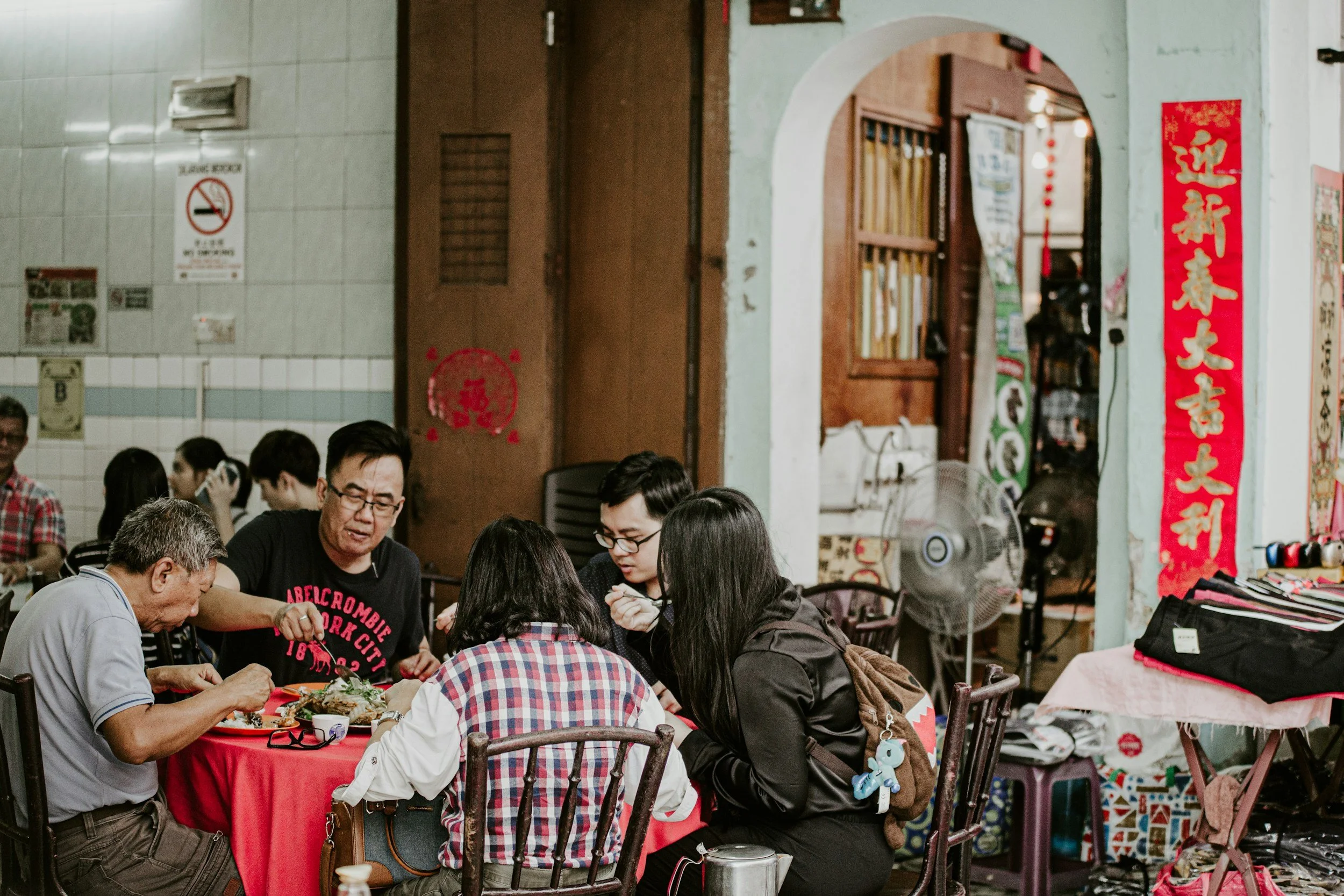
Reunion Dinner: The most important meal of the year is the reunion dinner on New Year’s Eve, or as close to the day as possible for my family. It’s a feast that brings the entire family together. We prepare dishes that symbolise prosperity and good fortune, such as fish served whole but you mustn’t eat all of it! This is because the Cantonese word for fish has the same pronunciation as the word for ‘surplus’ so leaving some fish on the plate signifies abundance.
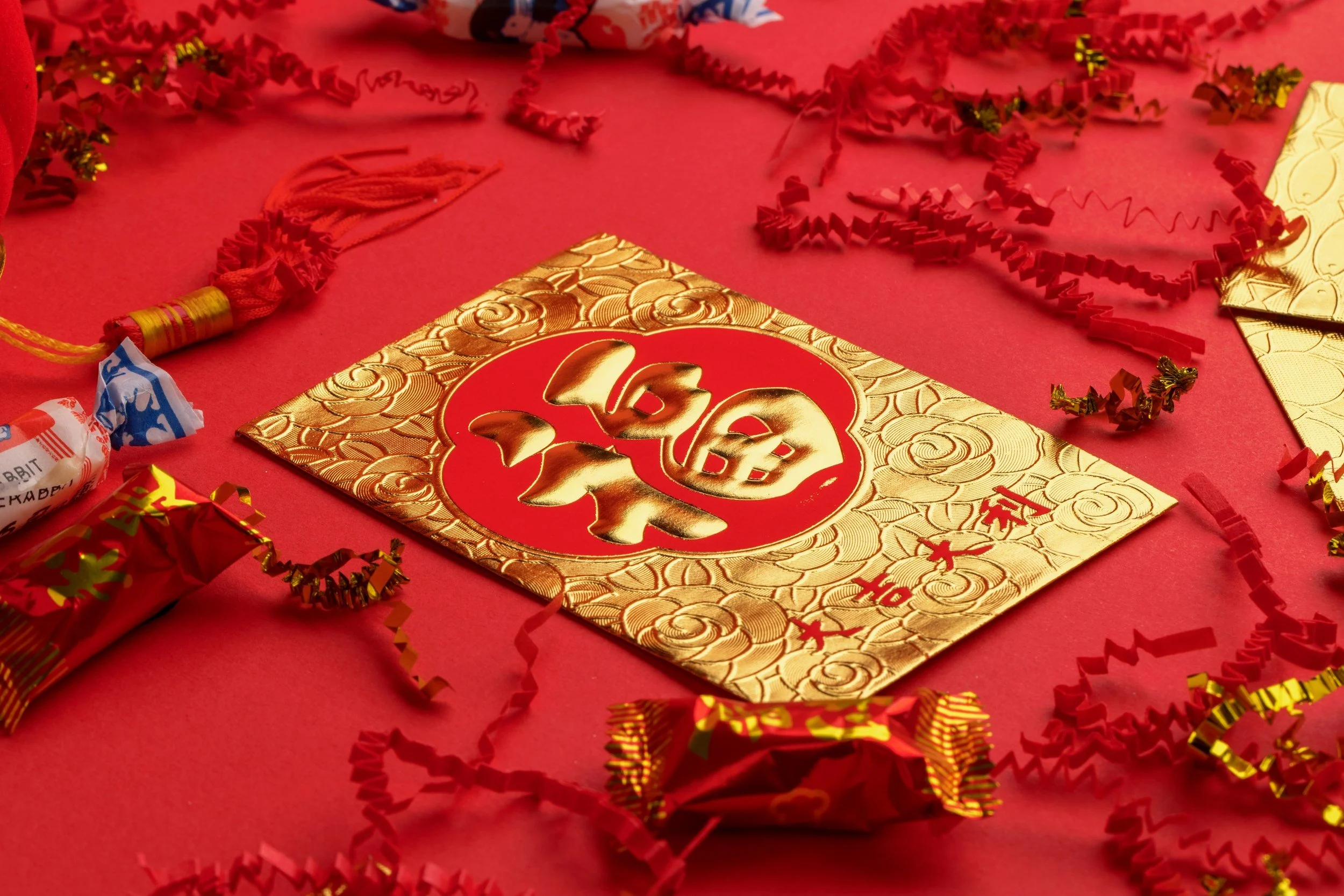
Red Envelopes (Lai See): One of the highlights for children and young people is receiving red envelopes filled with money. These are given by elders and people who are married as a symbol of good luck and good fortune. Once you are married, you typically no longer receive red envelopes!
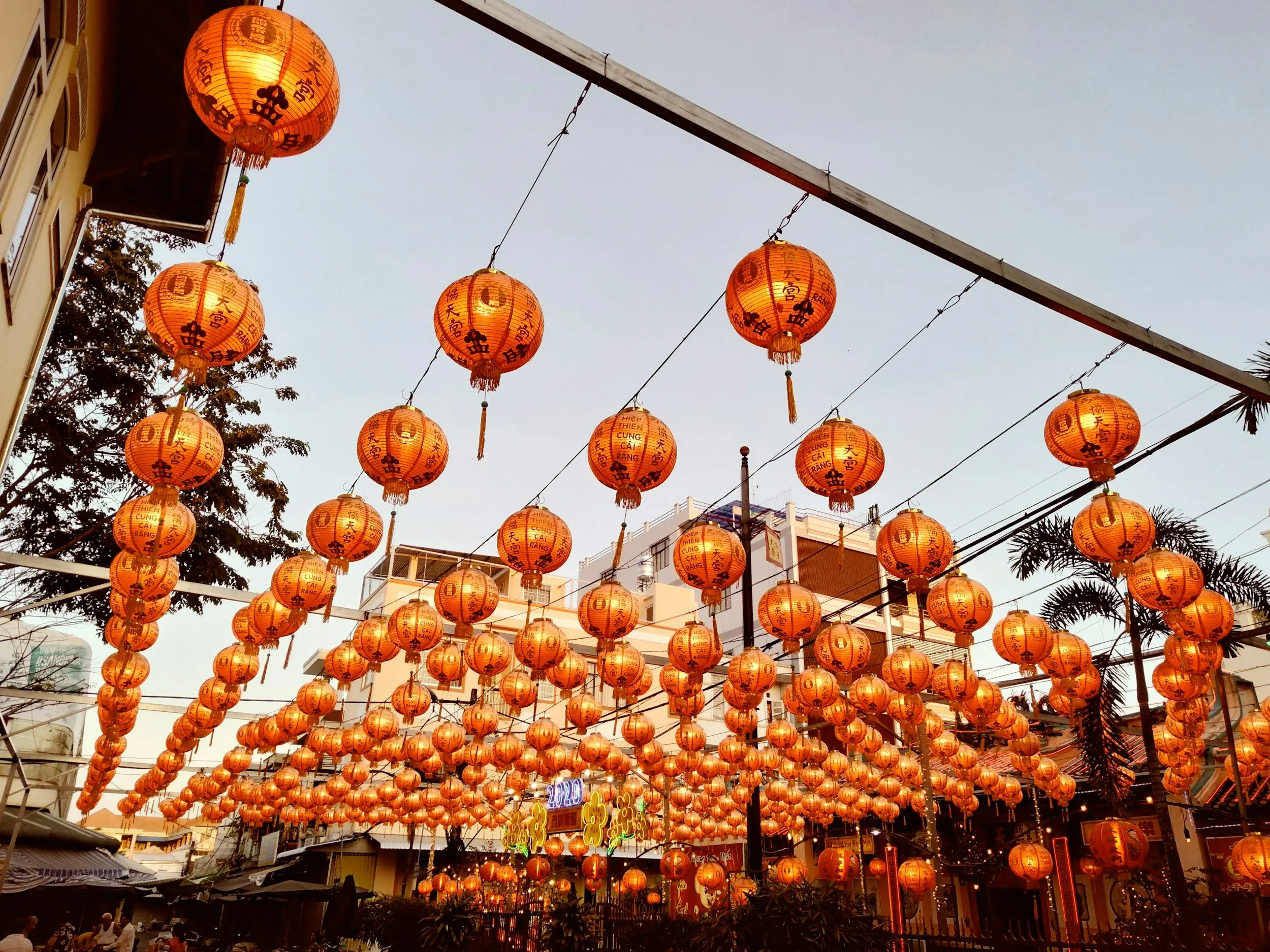
Decorations: The home is adorned with red and gold decorations, which symbolise good luck and happiness. Households have candy boxes filled with traditional snacks and sweets. Snacks such as candied watermelon or roasted watermelon seeds all have their own meanings Generally, most things will symbolise good fortune! However, gifts easily found in British supermarkets such as Ferrero Rocher with their gold foil wrappers, do not look out of place inside a candy box and can make a great gift.
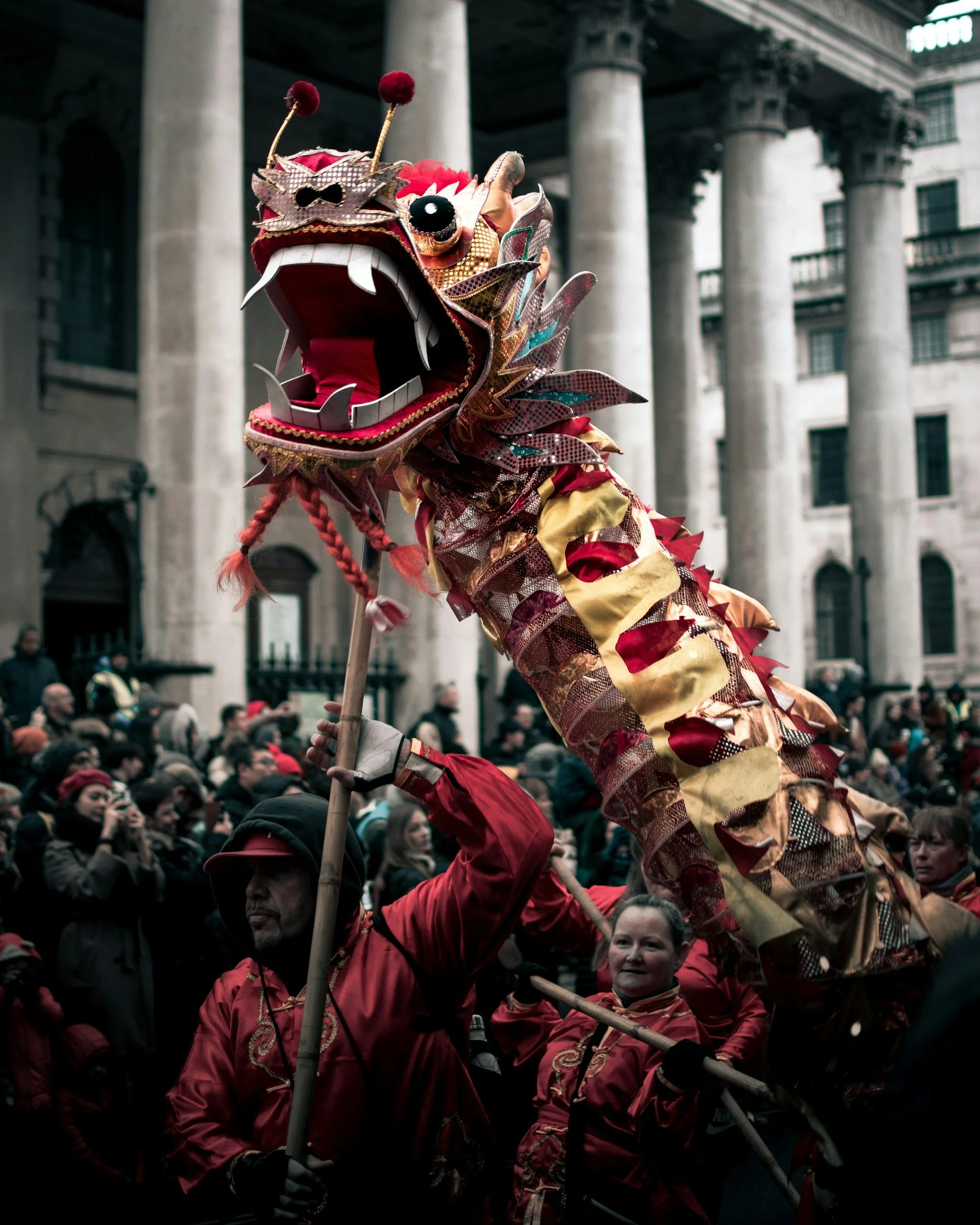
Lion and Dragon Dances: These vibrant performances are a staple of Chinese New Year celebrations. They are believed to bring good fortune and drive away evil spirits. In the UK, you can often find these dances in Chinatowns and at various cultural events.
The Year of the Horse
The Chinese zodiac operates on a 12-year cycle, with each year associated with an animal sign and one of the five elements (wood, fire, earth, metal, water). 2026 marks the Year of the Fire Horse, a dynamic and powerful combination. The Horse is known for its energy, independence, and drive, symbolising movement, ambition, and freedom. When paired with the element of fire, it represents passion, confidence, bold action, and transformation, encouraging courage, leadership, and stepping forward with purpose.
Embracing Dual Heritage
As someone who straddles two cultures, Chinese New Year is a time for me to embrace my dual heritage. It’s an opportunity to (poorly) educate my friends about Chinese traditions and to celebrate the richness of my cultural background. Whether it’s through sharing a meal, trying to explain the significance of different foods, or participating in community events, I find joy in bridging the gap between my British upbringing and my Chinese roots.
Chinese New Year is more than just a festival; it’s a celebration of identity, family, and tradition.
Kung Hei Fat Choi! May the New Year bring you happiness, good health and prosperity.
Fun Fact
Did you know ‘Kung Hei Fat Choi’ (Cantonese) or ‘Gong Xi Fa Cai’ (Mandarin) doesn’t mean Happy New Year in Chinese? The literal translation is wishing you wealth!