
Together we can: support each other this season
As we step into December, many of us look forward to moments of warmth, celebration, and connection. But we also know that this time of year can be especially difficult for some women in our community. At AMBER, we believe in speaking openly and compassionately about the reality many sisters face — because when we acknowledge the truth, we create space for healing, safety, and support.
Why December can be a triggering month
The festive season brings joy for some, but for many women, December can also mean heightened tension and increased vulnerability. Every year, incidents of domestic abuse and sexual assault rise during this period. Some of the reasons include:
Increased substance use: Alcohol and drugs are more present at gatherings, which can increase aggression.
Loneliness: This time of year can amplify isolation and emotional strain.
More social gatherings: More mixing means more opportunities for unsafe encounters or boundary-crossing.
More people coming into the home: Family visits or gatherings can create stress or expose women to unsafe individuals.
Darker nights: Shorter days can affect mood, energy and mental wellbeing.
Financial and emotional pressure: The mental load is often heavier during December and in to January as there are more financial pressures as the season comes with extra costs, which can be difficult especially when the income is the same.

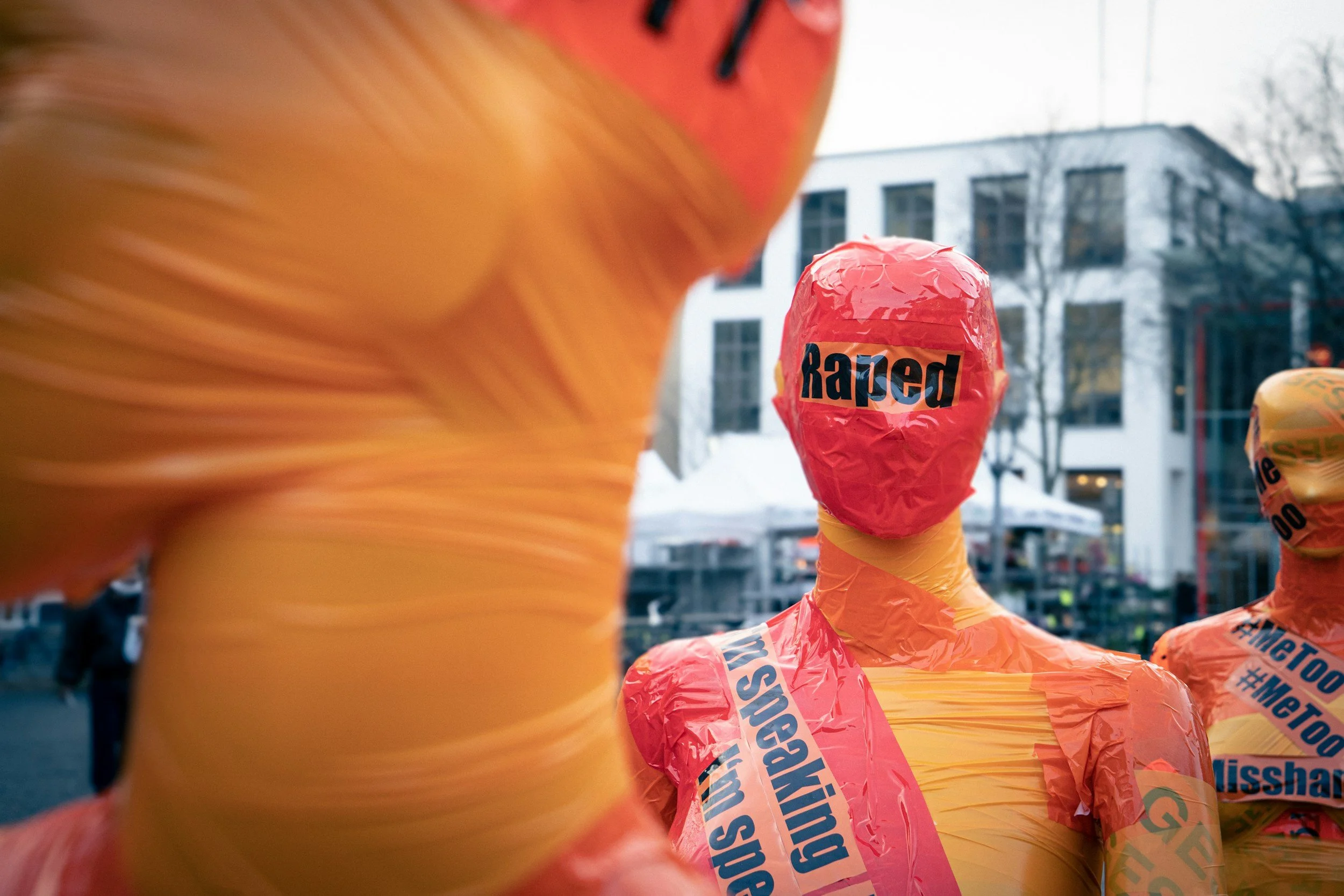
The Angiolini Inquiry: Why this matters for all of us
The recent publication of the Angiolini Inquiry, commissioned following the tragic murder of Sarah Everard, has highlighted deep-rooted failures within policing that continue to put women at risk.
The report found that:
Over a quarter of police forces still lack basic policies on sexual offences, including non-contact crimes such as flashing.
There is a critical failure to collect accurate data on sexual violence, meaning we do not fully understand the scale of the problem.
Preventing gender-based violence requires a fundamental shift — real accountability, better vetting, stronger safeguarding, and a cultural change within institutions tasked with protecting women.
For us — as sisters, mothers, daughters, friends — these findings reinforce what many already know: the systems meant to keep us safe often fall short, and our greatest strength continues to be each other.
This is why community, solidarity, and mutual support matter now more than ever.
You can read the full report here: The Angiolini Inquiry – Part 2 Report
Sisters, you are not alone
If you or someone you know is experiencing verbal, emotional, financial, physical, or sexual abuse, please know this: you deserve safety, dignity, and support. Seeking help is an act of courage, not shame.
Below is a list of organisations and services that can offer confidential support.
Where you can get help
Specialist organisations for Asian and minority women
Sikh Women’s Aid: https://www.sikhwomensaid.org.uk
Southall Black Sisters: https://southallblacksisters.org.uk
Karma Nirvana (honour-based abuse & forced marriage): https://karmanirvana.org.uk
Ashiana Network: https://www.ashiana.org.uk
National support services
National Domestic Abuse Helpline (24/7) https://www.nationaldahelpline.org.uk
Helpline: 0808 2000 247Women’s Aid Live Chat (silent online support): https://chat.womensaid.org.uk
Rape Crisis England & Wales: https://rapecrisis.org.uk
The Survivor’s Trust: https://www.thesurvivorstrust.org
Refuge – Domestic violence support & emergency accommodation: https://refuge.org.uk
Local emergency and community support
Police (Emergency) – 999
Police (Non-emergency) – 101
Silent Solution (if you cannot speak) – Call 999, press 55
NHS (non-emergencies) – 111: https://www.111.nhs.uk
Find your local council’s domestic abuse support team: https://www.gov.uk/find-local-council
Find your nearest GP: https://www.nhs.uk/service-search/find-a-gp
How to Ask for Help Safely
Reaching out can feel overwhelming, especially if you are frightened or being controlled. Here are some steps that may help:
1. Tell someone you trust
A friend, colleague, neighbour, or family member.
Sometimes, even one supportive person makes all the difference.
2. Use safe moments to reach out
If calling at home is unsafe, try:
A work break
A pharmacy
A GP appointment
Online chat services (Women’s Aid and Rape Crisis offer silent options)
3. Create a simple safety plan
Consider:
Keeping important documents together
Having a charged phone hidden or with a trusted person
Setting up a code word with a friend
Knowing where you would go in an emergency
4. Document what’s happening (only if safe)
Screenshots, photos, or messages may help if you later choose to report.
5. Call 999 in immediate danger
If you cannot speak, use the Silent Solution by pressing 55.
Let’s look out for one another
This December, let us look beyond the lights and festive noise and check in on one another with care, compassion, and openness.
A simple: “How are you really?” might be the moment a sister needs.
The findings of the Angiolini Inquiry remind us why community, solidarity, and collective strength are so essential.
The system may be flawed — but together, we are powerful.
At AMBER, we will always stand for women’s safety, empowerment, and dignity.
No woman should ever suffer alone.
With love and solidarity,
Team AMBER