
Celebrating International Women’s Day in 2026
International Women’s Day was never meant to be comfortable.
It was born in protest, in marches for bread, for safety, for the vote, for dignity. It has always been about power: who holds it, who challenges it, and who pays the price when it shifts.
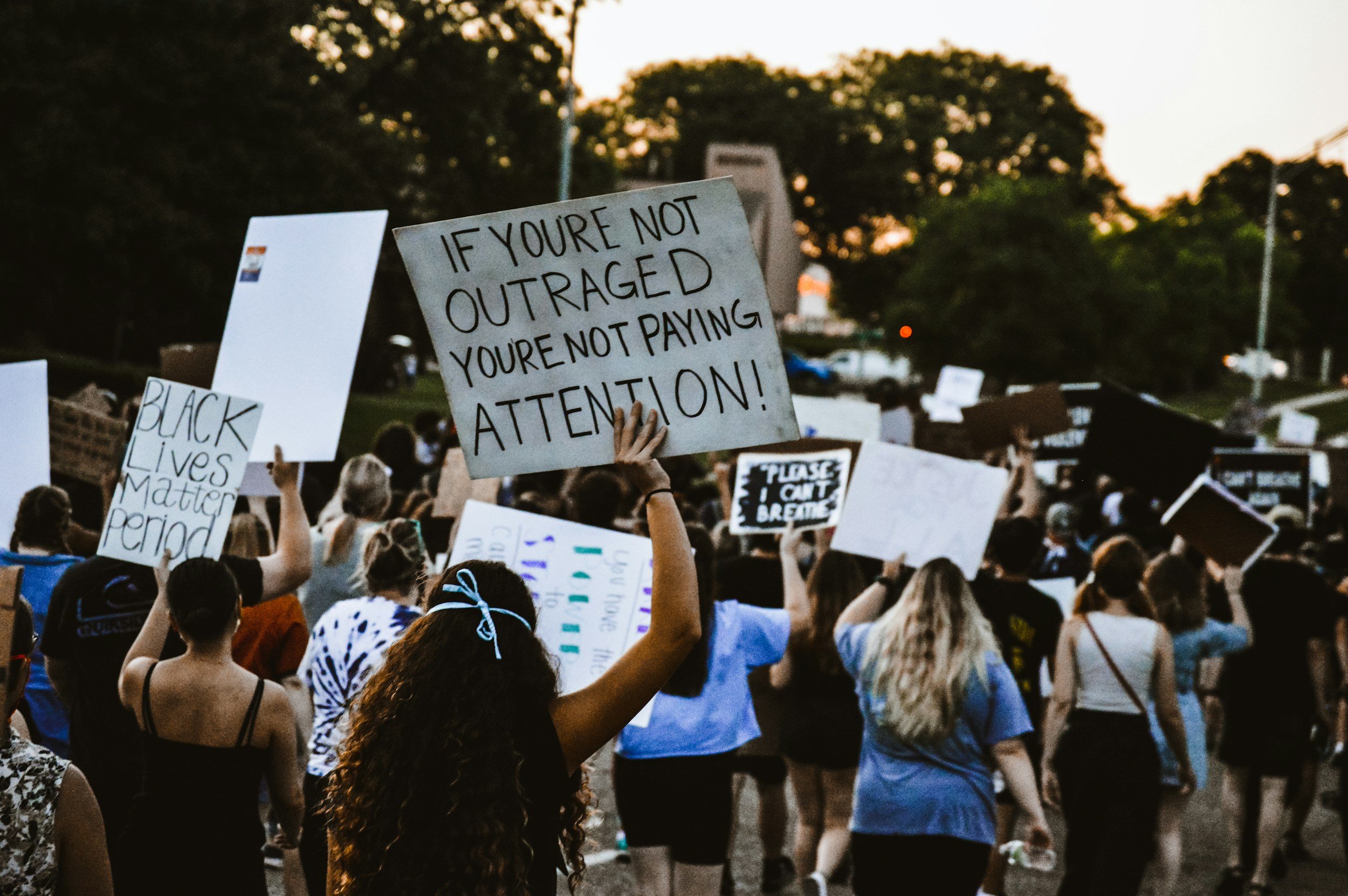
In 2026, this day feels less like a celebration and more like a reckoning.
Because around the world, women’s rights are no longer simply advancing. In some places, they are being debated. In others, dismantled. And in the digital spaces shaping our future, they are being quietly undermined.
Progress is real. But so is pushback.
And rights, history reminds us, are never permanent.
When Rights Are Rolled Back
In the United States, judicial appointments made under Donald Trump reshaped the Supreme Court of the United States for decades. In 2022, the Court overturned Roe v. Wade, ending nearly 50 years of federal protection for abortion access.
The consequences were immediate:
Clinics closed.
States imposed near-total bans.
Women travelled across state lines for care.
Doctors hesitated in emergency rooms, unsure what the law allowed.
For the first time in modern U.S. history, a long-established constitutional right was removed.
It was a seismic reminder: what was won can be undone.
Across the Atlantic, women’s protections in the UK rest on the Equality Act 2010 — legislation that safeguards against sex discrimination and underpins maternity rights, equal pay protections, and workplace fairness.
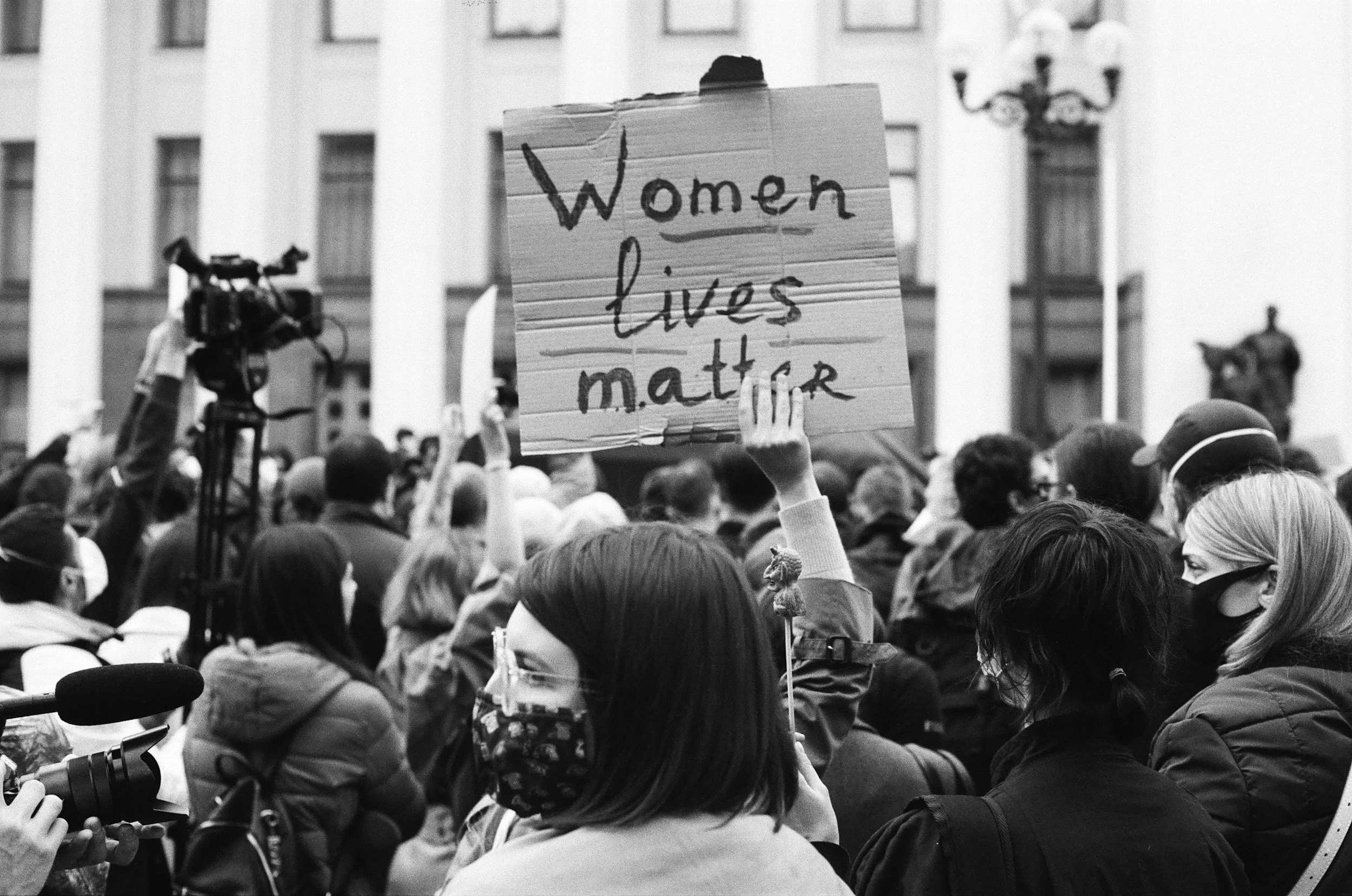
Yet political rhetoric has shifted. Figures within Reform UK have criticised equality frameworks and suggested reviewing or dismantling parts of existing protections. At the same time, debates around scaling back flexible working — relied upon disproportionately by women, especially mothers and carers — threaten to widen the gender pay gap and push women out of economic participation.
Flexible work is not convenience. It is infrastructure.
Remove it, and inequality deepens.
When equality law becomes negotiable, women’s security becomes conditional.
The Global Reality: Violence at Scale
Beyond policy, the daily reality for millions of women remains stark.
One in three women globally has experienced physical or sexual violence in her lifetime.
That is not a marginal issue. That is a global crisis.
Each year, hundreds of millions of women experience intimate partner violence. Conflict zones continue to weaponise sexual violence. Domestic abuse services remain overstretched. And in too many societies, survivors still face stigma instead of justice.
Violence against women is not decreasing at the pace we need. In some regions, it is rising.
And increasingly, it is going digital.
The New Frontline: Technology and AI
Technology was supposed to expand freedom. Instead, it has opened new arenas for harm.
Nearly half of women and girls online report experiencing digital harassment — from cyberstalking to coordinated abuse campaigns. Women in public life — journalists, activists, politicians — face relentless online violence designed to silence them.
Artificial intelligence has intensified the threat. The overwhelming majority of AI-generated deepfake pornography targets women without consent. These images are used to humiliate, intimidate, and control.
And AI systems themselves are not neutral.
AI design teams lack gender diversity, systems reflect blind spots. Studies show that AI tools can reproduce workplace discrimination, reinforce stereotypes, and deliver biased outcomes in hiring, finance, and healthcare.
Technology reflects the society that builds it.
If inequality exists offline, AI can scale it online.
Without safeguards, digital systems risk entrenching the very inequalities women have spent decades fighting to dismantle.
The Dangerous Myth of “Already Equal”
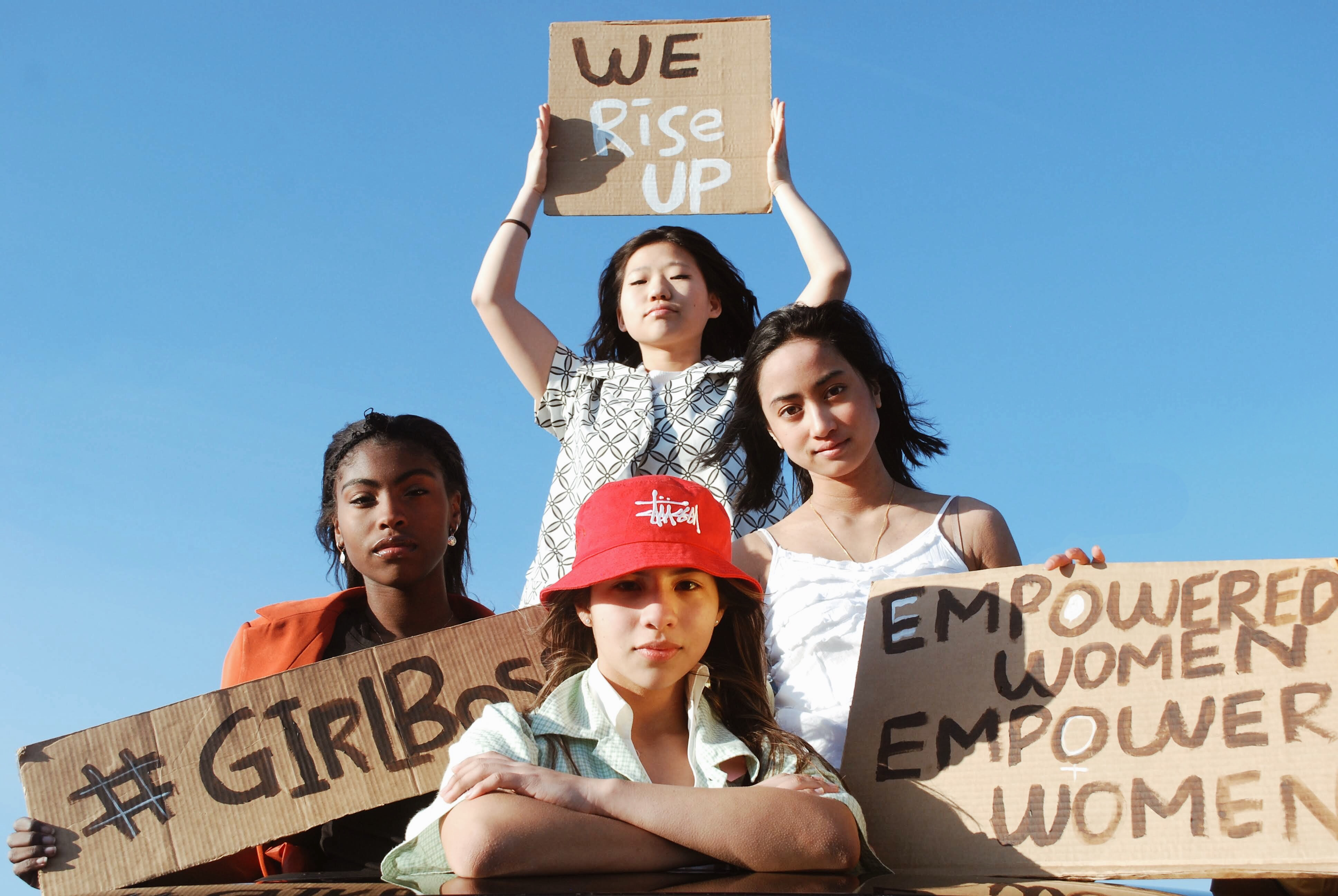
There is a narrative gaining traction that feminism has “gone too far.” That women are already equal. That protections can be loosened without consequence.
But equality that survives only in favourable political climates is not equality at all.
Rights are not self-sustaining. They require defence. They require participation. They require vigilance.
International Women’s Day matters precisely because complacency is dangerous.
When reproductive autonomy is restricted in one country, it emboldens movements elsewhere.
When equality law becomes a political bargaining chip, it signals that protections are optional.
When online violence silences women, democracy itself shrinks.
And Yet, There Is Hope
History does not move in a straight line.
Every wave of progress has faced backlash. But backlash has also sparked mobilisation.
Across the world, women are organising.
Young women are voting in record numbers.
Survivors are speaking out.
Lawmakers are drafting new protections against digital abuse.
Technologists are building ethical AI frameworks.
Grassroots movements are challenging regressive policy.
Change is not only possible — it is happening.
And hope is not naïve. It is strategic.
What We Can Do — Give to Gain
This International Women’s Day is a call to action.
The theme “Give to Gain” reminds us that equality does not grow by accident — it grows through contribution. When we give intentionally — our time, our voice, our resources, our influence — we create collective gain.
In the current climate, where rights are debated and protections can be weakened, our giving must be purposeful.
Start With Knowledge
Before anything else, we must increase awareness of the key issues affecting women’s rights.
Knowledge is power.
Awareness is protection.
Silence is vulnerability.
Stay informed about reproductive rights and legal protections in your region.
Learn your rights under the Equality Act 2010 through the Equality and Human Rights Commission.
Follow trusted organisations working on gender equality and policy reform.
When we understand what is at stake, we are harder to silence — and harder to mislead.
Protect Equality Law and Workplace Rights
Support campaigns by the Fawcett Society to close the gender pay gap.
Engage in public consultations affecting workplace protections.
Advocate for flexible working policies that enable economic participation for carers and mothers.
Economic independence is one of the strongest protections women have.
Challenge Violence Against Women
Donate to or volunteer with Refuge or Women’s Aid.
Support global efforts led by UN Women to combat violence and discrimination.
Safety is not a privilege. It is a right.
Demand Accountability in Tech and AI
Advocate for ethical AI standards through organisations like Algorithmic Justice League.
Support digital safety initiatives from Glitch.
Technology must not amplify inequality — it must dismantle it.
Strengthen Collective Power
Register to vote.
Support women-led businesses.
Mentor and sponsor younger women.
Speak up in rooms where women are absent.
Change accelerates when women move together.