
Marriage Across Generations: Understanding Our Daughters’ Choices with Care

At AMBER, we often hear from parents who are trying to make sense of how marriage looks different for their daughters. These feelings are natural. When something meaningful changes, it can bring questions, uncertainty, and even quiet concern. What matters most is remembering that this shift is not a loss of values, but a reflection of how deeply those values have taken root.
Whether you are a first-, second-, or even third-generation mother, many of us are still navigating rapid cultural changes that feel very different from the marital expectations we grew up with. These shifts can feel significant, especially as Western influences become more visible in modern relationships.
In South Asian families, marriage has always been about more than two people. It has carried care for family, respect for tradition, and hope for stability and happiness. Those foundations remain strong even as the expression of marriage continues to evolve.
This article is not meant to dismiss tradition, but to offer guidance, reassurance, and hope that change does not have to be feared, and that it can, in fact, be positive.
The Roots We Come From
For many of our parents, marriage was shaped by the needs of the time. Partners were often chosen with little personal familiarity, guided by elders who wanted security and continuity for their families. Love was expected to grow with time, and commitment was the anchor that held marriages together.

There was strength in this approach. It required patience, resilience, and trust in the family structure. These qualities built the communities we stand on today.
When Choice and Connection Began to Grow
When we married, more space had opened for personal connection. Many of us knew our partners, shared conversations, and imagined a future together. Love mattered, but it existed alongside family guidance, shared expectations, and a clear understanding of responsibility.
Marriage was a partnership built through adjustment and endurance. Stability was earned slowly, and commitment was deeply valued. Those lessons continue to shape how we support our families today.
Our Daughters Are Choosing Thoughtfully
Our daughters are growing up with opportunities previous generations worked hard to create for them. Education, independence, and exposure to different ways of living have given them the ability to think carefully about what they need in a partner.
For them, marriage is not rushed. It is considered.
Their questions come from care, not rejection.
Their planning comes from intention, not excess.
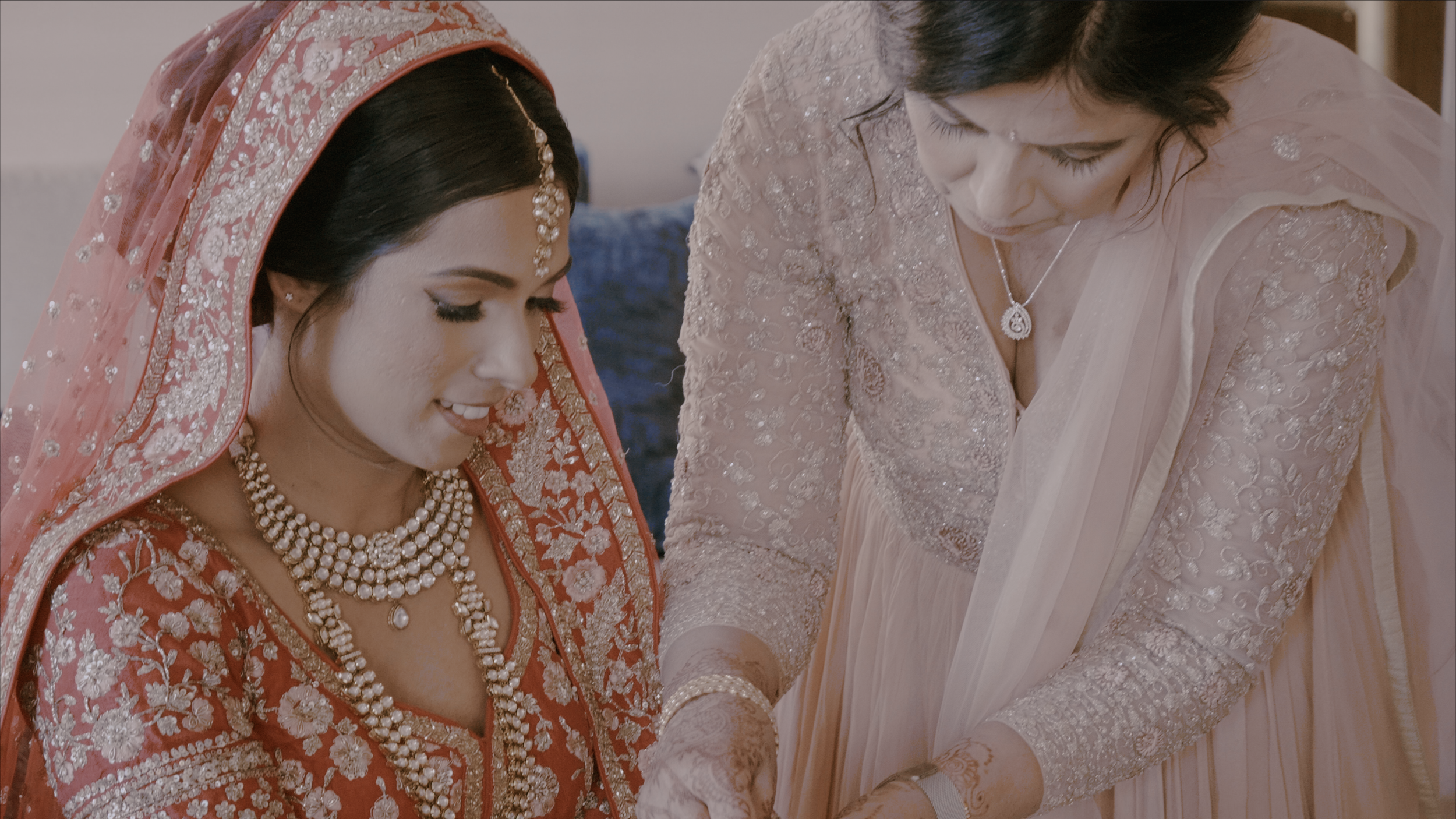
When they value emotional understanding, shared responsibility, and clear commitment, they are expressing a desire for stability in the language of their time. A proposal, an engagement, or thoughtful planning is often their way of feeling secure, seen, and supported.
These gestures are not about perfection. They are about reassurance.
Holding Space for Reassurance
It can be unfamiliar to hear our daughters speak openly about emotional needs or expectations. But this openness is not a criticism of the past. It is a sign of trust—trust that their families will listen and walk alongside them.
What they are asking for builds upon what we taught them: self-respect, responsibility, and care for relationships.
Trusting the Foundation We Gave Them
Traditions are strongest when they are carried forward with understanding. Each generation honours the last by adapting what it was given to the world it lives in.
The first generation of parents prioritised security.
Second generation balanced love and responsibility.
Our daughters are choosing partnership with clarity and care.
These are not separate stories—they are one continuing journey.
We built lives through commitment.
Our daughters hope to share lives through mutual understanding.
Both paths are rooted in love.
And perhaps the most reassuring thought is this: our daughters are not stepping away from marriage. They are stepping into it thoughtfully, guided by the values we passed on—seeking steadiness, respect, and companionship in ways that feel right for their time.